The Food and Drugs (Composition and Labeling) (Amendment: Requirements for Nutrition Labeling and Nutrition Claim) Regulation 2008 came into force on 1 July 2010. According to the Regulation, all applicable prepackaged food products will have to provide nutrition labels setting out the contents of energy and 7 nutrients specified for labeling (protein, total fat, saturated fatty acids, trans fatty acids, carbohydrates, sugars and sodium). However, formula or food intended to be consumed principally by children under the age of 36 months and food for special dietary uses are not covered by the Regulation.
In addition, some food are exempted from the requirements of nutrition labelling, including:
-
products with practical difficulty in providing the labels like those with very small packages of total surface area of less than 100 sq cm;
-
fresh, chilled, frozen and dried fruit and vegetable without added ingredients, and raw meat;
-
foods which contain insignificant amount (nearly zero) of energy and specified nutrients (e.g. mineral water); and
-
Food with annual sales volume not exceeding 30 000 units (these food will have stickers in circular, square or rectangular shapes on the packages to indicate their exemption status; the trade must apply to the FEHD for exemption from the nutrition labeling requirement beforehand. Please contact Small Volume Exemption Office at 3583 3653 for enquiries. )
Please refer to the webpage of Nutrition Labeling Scheme
at
https://www.cfs.gov.hk/tc_chi/whatsnew/whatsnew_act/whatsnew_act_19_Nutrition_Labelling_Scheme.html for details.
Food Labeling and Nutrition Labeling
What is a Food Label?
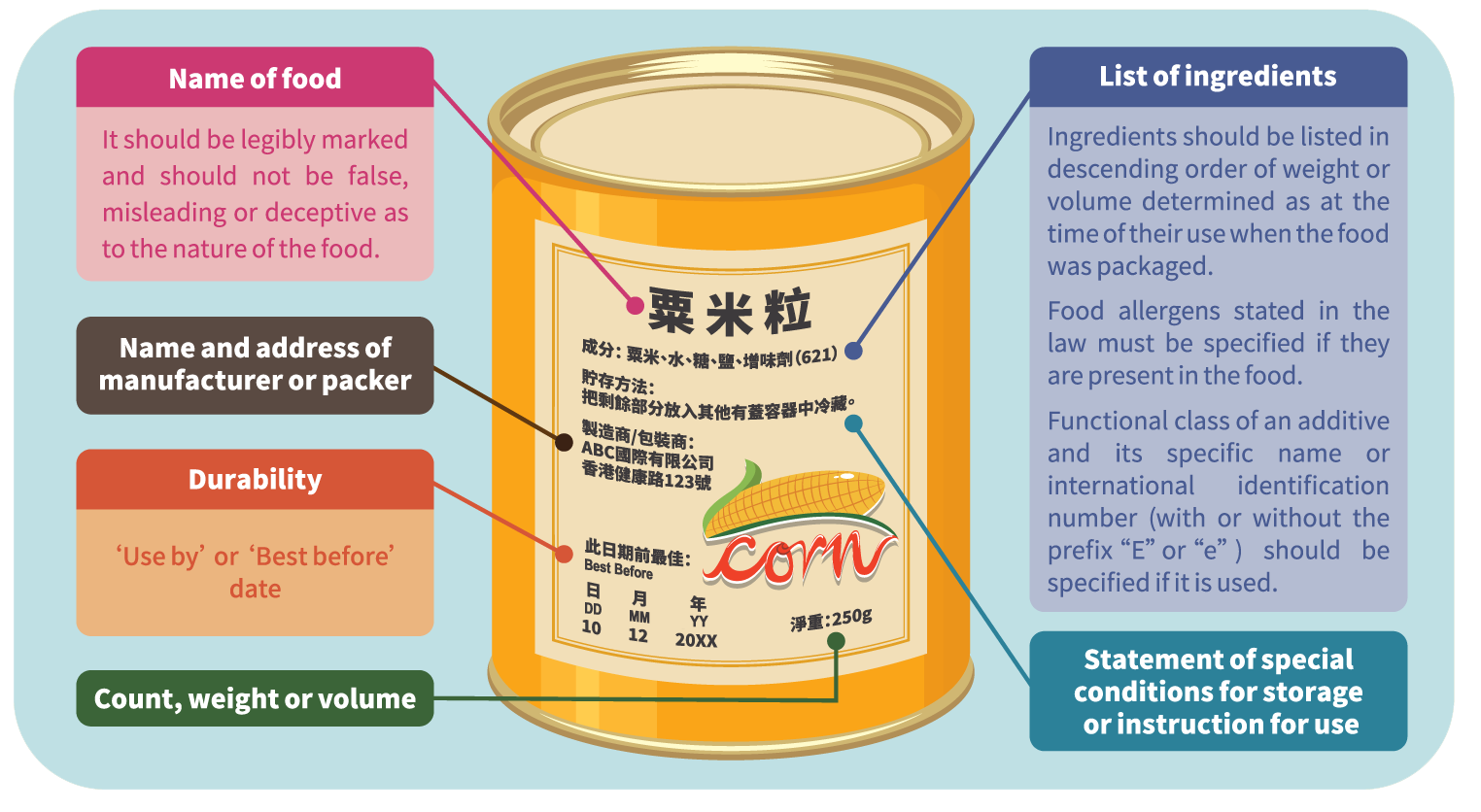
Food labels are an important channel of communication, informing consumers what a product is, what it contains, and how to handle, prepare and eat it safely. As society shifts from buying food directly from producers to buying prepackaged food from around the world, it is important to provide consumers with reliable and accurate instructions.
Why are food labels useful?
Food labels serve multiple purposes. It prevents food sellers from misrepresenting information on packaging as they are required by law to ensure that the information shown is accurate. In addition, labeling the expiration date and best before date can help reduce food waste. Given that diet-related non-communicable diseases such as diabetes and heart disease are increasing the healthcare burden around the world, nutrition labels are also useful tools to assist consumers in making healthy food choices.
What is a 1+7 nutrition label?
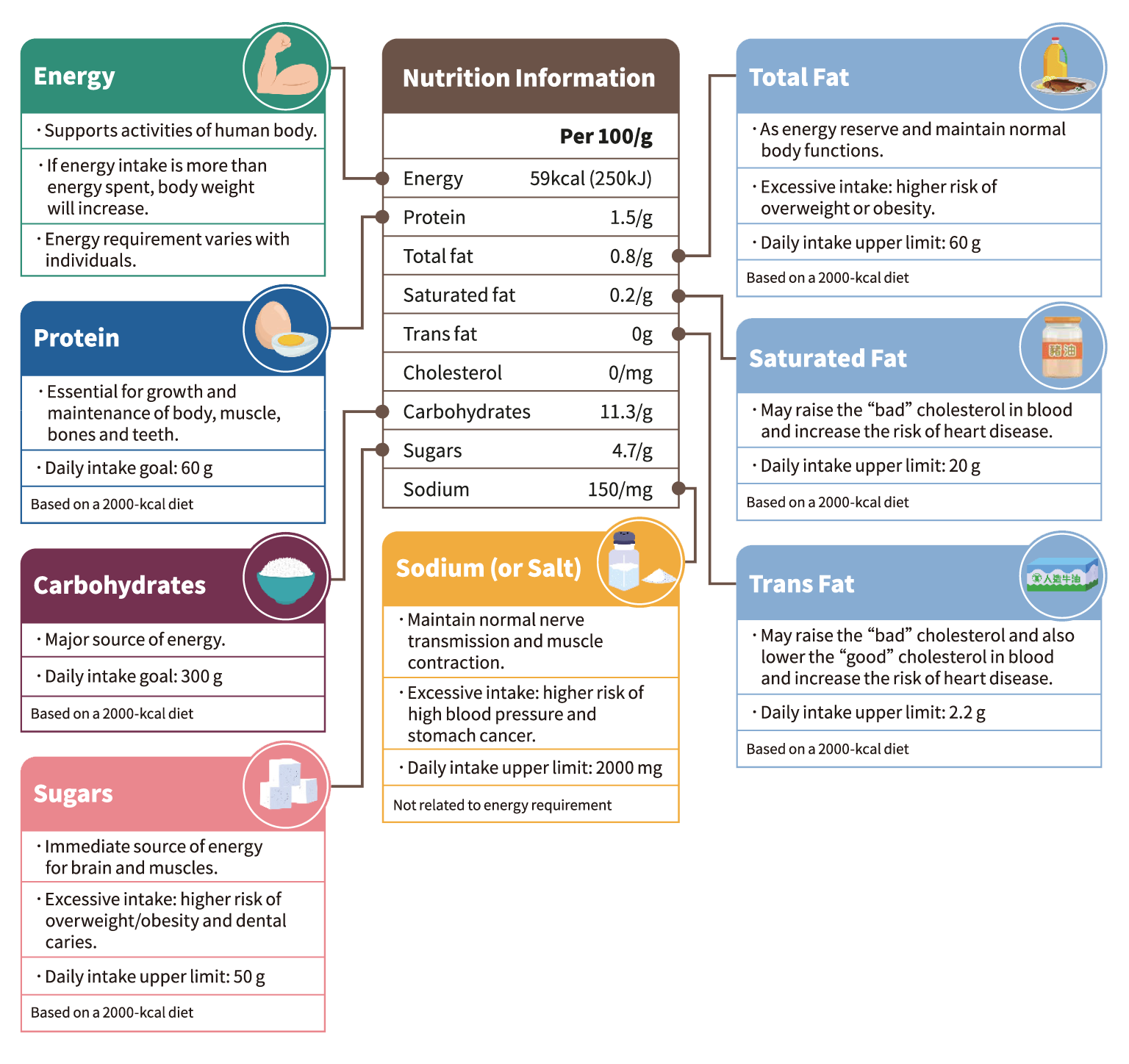
Nutrition labels are part of food labels. The "1+7" on the nutrition label refers to the energy value and the content of seven specified nutrients, namely protein, carbohydrates, total fat, saturated fat, trans fat, sodium and sugar.
| Energy |
Supports activities of the human body.
If energy intake is more energy than energy spent, body weight will increase.
Energy requirements varies with individuals.
|
| Protein |
Essential for growth and maintenance of body, muscles, bones and teeth.
Daily intake goal: 60 grams (calculated based on a 2000 kcal meal).
|
| Carbohydrate |
Major source of energy.
Daily intake goal: 300 grams (calculated based on a 2000 kcal meal).
|
| Sugar |
Immediate source of energy for muscles and the brain.
Excessive intake of sugars can lead to obesity and dental decay.
Daily intake upper limit: 50 grams (calculated based on a 2000 kcal meal).
|
| Total fat |
As energy reserve and maintain normal body functions.
Excessive intake: higher risk of overweight or obesity.
Daily intake upper limit: 60 grams (calculated based on a 2000 kcal meal).
|
| Saturated fat |
May raise the "bad" cholesterol in blood and reduce the "good" cholesterol, thus increasing the risk of heart disease.
Daily intake upper limit: 20 grams (calculated based on a 2000 kcal meal).
|
| Trans fat |
May raise the "bad" cholesterol in blood and increase the risk of heart disease.
Daily intake upper limit: 2.2 grams (calculated based on a 2000 kcal meal).
|
| Sodium (or salt) |
Maintain normal nerve transmission and muscle contraction.
Excessive intake: higher risk of hypertension and stomach cancer.
Daily intake upper limit: 2000 mg (not related to energy)。
|
Types of Labels Based on Material
Paper Labels
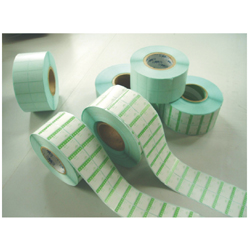
Affordable and easy to print, but less durable. Commonly used for short-term products or in non-demanding environments. Example: price tags on retail products. Paper labels are also frequently used in the fast food industry because they can be made in various shapes and sizes.
Plastic / Vinyl Labels
Waterproof and weather-resistant, these are often used in outdoor environments or on products that require more durability. Examples: labels on frozen foods or beverage bottles or vehicle labels. These labels often come with strong adhesives to ensure durability in extreme conditions.
Metallic Labels
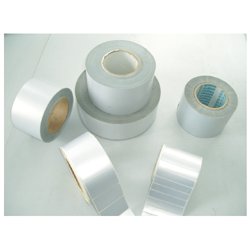
Durable and commonly used for industrial purposes that require resistance to high temperatures or extreme conditions. Example: School or office’s asset label, labels on industrial machines or serial number labels on equipment.
Thermal Labels
Used in thermal printing systems, suitable for medical, shipping and logistics due to their ability to print variable information quickly. Examples: drug label for medical office, take away food or beverage label for fast food or restaurant, shipping labels on e-commerce packages, purchase receipts, etc.
Nylon Labels
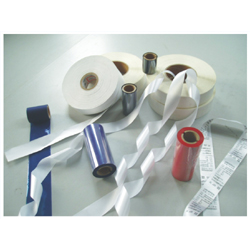
Washable and resist high temperature, normally used in care label for school student, nursing home and laundry shop.
Label Material Components
When choosing a label material,
it's essential to remember that every label has three components:
•
Facestock — material you print on
•
Adhesive — the material that makes your label stick to the item you're labeling
•
Liner — the material the adhesive is applied to
Label Usage Across Various Industries
Food and Beverage Industry
Labels include composition, expiration date and nutritional information. This information helps consumers make informed decisions and ensures safe consumption. With strict regulations in many countries, food labels must comply with standards set by food regulatory authorities.
Pharmaceutical and Healthcare Industry
Labels provide information about drug dosage, composition, side effects, and usage instructions. The accuracy of information on labels is crucial for patient safety. Some medicine labels also include anti-counterfeiting technology to ensure that the products patients receive are authentic.
Manufacturing and Logistic Industry
Labels are used for product identification, inventory management, and shipment tracking. They simplify the logistic process and ensure products reach the right destination. RFID and barcodes are highly relied upon technologies in this industry.
Electronics Industry
Labels display technical specifications, serial numbers, and safety instructions. This information is essential for the installation, use, and maintenance of electronic devices. Some electronic labels are heat-resistant to remain legible under high-temperature conditions.
Fashion and Textile Industry
Labels indicate the brand, material, size, and care instructions for clothing. They help consumers shoes and maintain clothes correctly. Modern textile labels are also starting to use QR code technology to provide more detailed information about the materials and product sustainability.
Selecting the right label according to the industry needs is essential to ensure safety, marketing effectiveness, and operational efficiency. With technological advancements, trends like digital labels—such as the use of Augmented Reality (AR) are becoming increasingly popular. These offer interactive solutions that allow consumers to verify product authenticity or access additional information through smartphone scanning. By understanding the various types of labels and their functions, industries can enhance product quality, customer satisfaction, and overall operational efficiency.